

Lipid profiling
Deep insights into cellular lipidomes and membrane signaling
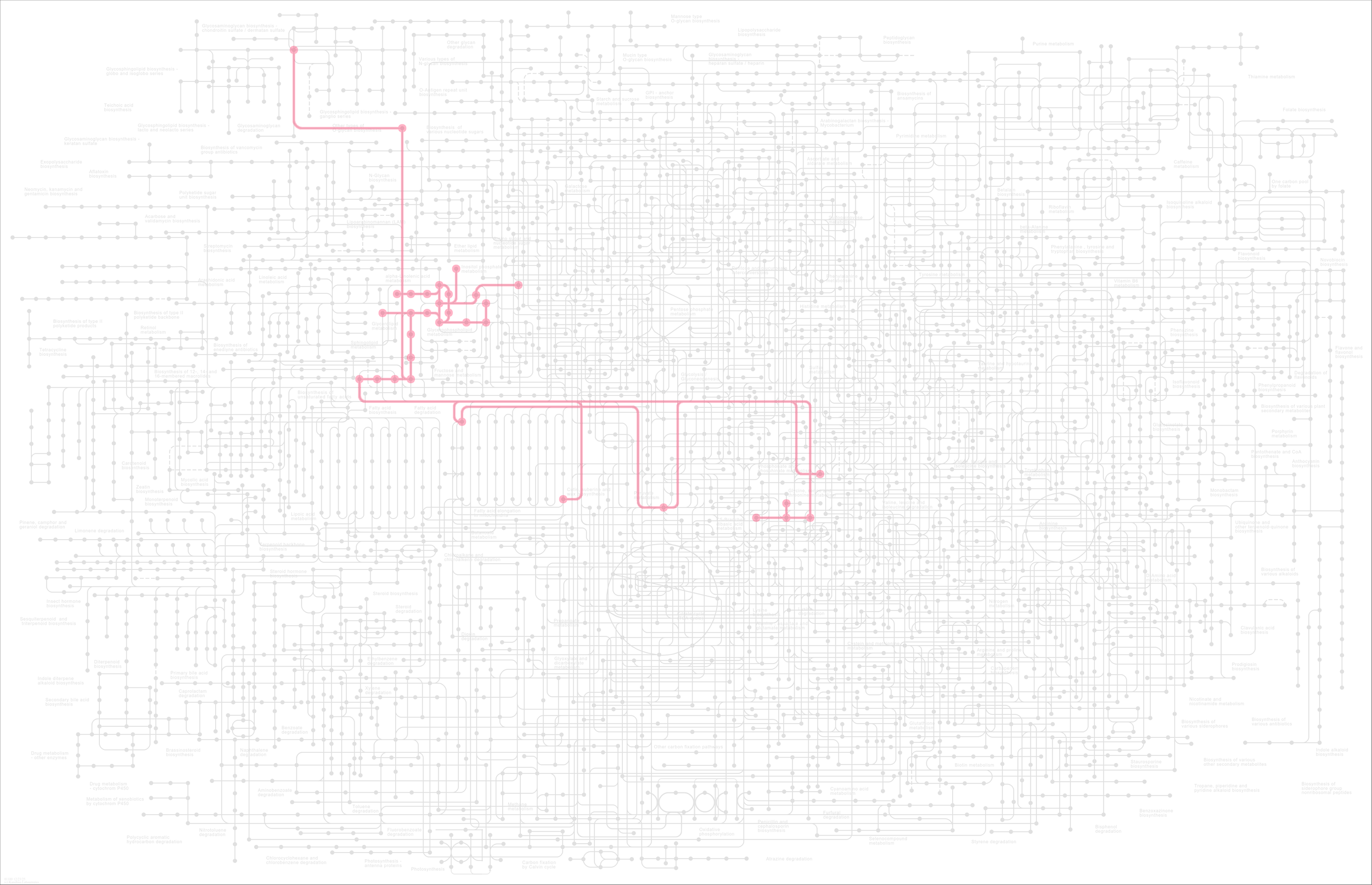
The LIPID panel offers an extensive profiling and semiquantitative analysis of more than 300 lipid species. This service covers 17 main lipid classes, including phospholipids, sphingolipids, and triglycerides, providing a high-resolution map of lipid metabolism and structural composition.
Comprehensive metabolic coverage
Our lipidomics workflow is designed for broad discovery, allowing researchers to track changes in signaling lipids and structural components across various biological systems.
Key features of our service
Extensive Profiling: Semi-quantitative analysis of over 300 unique lipid species.
17 Main Lipid Classes: Comprehensive coverage including phospholipids, sphingolipids, and triglycerides.
High Sensitivity: Optimized LC-MS methods for detection across diverse biological matrices.
Sample requirements & pricing
Standardized pricing and minimum sample volumes for lipidomic analysis
Turnaround Times
Standard Turnaround: Up to 8 weeks
Express Service (+25% fee): 4 weeks
Price per sample
150 EUR - cells, cell extracts and biofluids (plasma/serum/urine)
160 EUR - tissue samples
170 EUR - feces
Minimal required sample amounts
Plasma/Serum - 25 uL
Urine - 250 uL
Cells - 500000
Tissue - 30 mg
Feces - 500 mg
Lipid profiling (LIPID) Metabolite list
| Cholesteryl esters | |||
| CE 15:0 | CE 18:0 | CE 18:3 | CE 20:4 |
| CE 16:0 | CE 18:1 | CE 20:0 | CE 20:5 |
| CE 16:1 | CE 18:2 | CE 20:3 | CE 22:6 |
| Lysophosphatidylcholines | |||
| LPC 14:0 | LPC 17:1 | LPC 20:1 | LPC 22:6 |
| LPC 15:0 | LPC 18:0 | LPC 20:3 | LPC O-16:0 |
| LPC 16:0 | LPC 18:1 | LPC 20:4 | LPC O-16:1 |
| LPC 16:1 | LPC 18:2 | LPC 22:4 | LPC O-18:0 |
| LPC 17:0 | LPC 20:0 | LPC 22:5 | LPC O-18:1 |
| Ceramides | |||
| Cer d34:0 | Cer d36:1 | Cer d40:2 | Cer d42:1 |
| Cer d34:1 | Cer d38:1 | Cer d41:1 | Cer d42:2 |
| Cer d36:0 | Cer d40:1 | Cer d42:0 | |
| Phosphatidylcholines | |||
| PC 30:0 | PC 36:1 | PC 39:3 | PC O-34:2 |
| PC 32:0 | PC 36:2 | PC 39:4 | PC O-34:3 |
| PC 32:1 | PC 36:3 | PC 39:5 | PC O-36:1 |
| PC 32:3 | PC 36:4 | PC 39:6 | PC O-36:2 |
| PC 33:0 | PC 36:5 | PC 40:5 | PC O-36:4 |
| PC 33:1 | PC 36:6 | PC 40:6 | PC O-36:5 |
| PC 34:0 | PC 37:1 | PC 40:7 | PC O-38:2 |
| PC 34:1 | PC 37:3 | PC 41:6 | PC O-38:3 |
| PC 34:2 | PC 37:4 | PC 42:4 | PC O-38:4 |
| PC 34:3 | PC 37:6 | PC 42:5 | PC O-38:5 |
| PC 34:4 | PC 38:1 | PC 42:6 | PC O-38:6 |
| PC 34:5 | PC 38:2 | PC O-30:0 | PC O-40:4 |
| PC 34:6 | PC 38:3 | PC O-32:0 | PC O-40:5 |
| PC 35:2 | PC 38:4 | PC O-32:1 | PC O-40:6 |
| PC 35:5 | PC 38:5 | PC O-34:0 | PC O-40:7 |
| PC 36:0 | PC 38:6 | PC O-34:1 | PC O-42:5 |
| Phosphatidylethanolamines | |||
| PE 33:1 | PE 36:4 | PE 40:4 | PE O-38:4 |
| PE 34:1 | PE 36:6 | PE 40:6 | PE O-38:5 |
| PE 34:2 | PE 37:4 | PE O-34:3 | PE O-38:6 |
| PE 35:3 | PE 38:4 | PE O-36:2 | PE O-38:7 |
| PE 36:0 | PE 38:5 | PE O-36:3 | PE O-40:4 |
| PE 36:2 | PE 38:6 | PE O-36:5 | PE O-40:6 |
| Phosphatidylinositols | |||
| PI 32:2 | PI 36:5 | PI 38:6 | PI 41:6 |
| PI 32:3 | PI 36:6 | PI 38:7 | PI 42:0 |
| PI 34:1 | PI 37:4 | PI 40:2 | PI 42:1 |
| PI 34:2 | PI 38:0 | PI 40:3 | PI 42:2 |
| PI 36:0 | PI 38:1 | PI 40:4 | PI 42:6 |
| PI 36:1 | PI 38:2 | PI 40:5 | PI 42:7 |
| PI 36:2 | PI 38:3 | PI 40:6 | PI 42:8 |
| PI 36:3 | PI 38:4 | PI 40:7 | PI 42:9 |
| PI 36:4 | PI 38:5 | PI 40:8 | |
| Phosphatidylserines | |||
| PS 33:1 | PS 37:1 | PS 40:2 | PS 42:4 |
| PS 34:0 | PS 37:2 | PS 40:3 | PS 42:5 |
| PS 34:1 | PS 38:0 | PS 40:4 | PS 42:6 |
| PS 35:1 | PS 38:1 | PS 40:5 | PS 42:7 |
| PS 35:2 | PS 38:2 | PS 40:6 | PS 42:8 |
| PS 35:3 | PS 38:3 | PS 40:7 | PS 43:2 |
| PS 36:0 | PS 38:4 | PS 40:8 | PS 43:4 |
| PS 36:1 | PS 38:5 | PS 41:3 | PS 43:6 |
| PS 36:2 | PS 38:6 | PS 41:4 | PS 44:1 |
| PS 36:3 | PS 39:0 | PS 41:5 | PS 44:2 |
| PS 36:4 | PS 39:1 | PS 41:6 | PS 44:3 |
| PS 37:0 | PS 39:3 | PS 41:7 | |
| Lysophosphatidylethanolamines | |||
| LPE 16:0 | LPE 18:1 | LPE 20:3 | LPE 22:6 |
| LPE 18:0 | LPE 18:2 | LPE 20:4 | |
| Sphingomyelins | |||
| SM d31:1 | SM d34:2 | SM d37:1 | SM d40:2 |
| SM d32:1 | SM d35:1 | SM d38:1 | SM d41:1 |
| SM d32:2 | SM d35:2 | SM d38:2 | SM d41:2 |
| SM d33:1 | SM d36:0 | SM d39:1 | SM d42:1 |
| SM d34:0 | SM d36:1 | SM d39:2 | SM d42:2 |
| SM d34:1 | SM d36:2 | SM d40:1 | SM d44:2 |
| Triradylglycerols | |||
| TAG 40:0 | TAG 48:2 | TAG 51:3 | TAG 54:3 |
| TAG 42:0 | TAG 48:3 | TAG 51:4 | TAG 54:4 |
| TAG 42:1 | TAG 49:1 | TAG 52:0 | TAG 54:5 |
| TAG 44:0 | TAG 49:2 | TAG 52:1 | TAG 54:6 |
| TAG 44:1 | TAG 49:3 | TAG 52:2 | TAG 55:1 |
| TAG 44:2 | TAG 50:0 | TAG 52:3 | TAG 55:3 |
| TAG 46:0 | TAG 50:1 | TAG 52:4 | TAG 56:1 |
| TAG 46:1 | TAG 50:2 | TAG 53:2 | TAG 56:4 |
| TAG 46:2 | TAG 50:3 | TAG 53:3 | TAG 56:7 |
| TAG 46:4 | TAG 50:4 | TAG 53:4 | TAG 57:1 |
| TAG 48:0 | TAG 51:1 | TAG 54:1 | TAG 58:8 |
| TAG 48:1 | TAG 51:2 | TAG 54:2 | TAG 58:9 |
| Diradylglycerols | |||
| DAG 32:0 | DAG 36:2 | DAG 38:4 | DAG 40:5 |
| DAG 32:1 | DAG 36:3 | DAG 38:5 | DAG 40:6 |
| DAG 34:1 | DAG 36:4 | DAG 38:6 | DAG 40:7 |
| DAG 34:2 | DAG 38:1 | DAG 40:4 | DAG 40:8 |
| DAG 36:1 | DAG 38:2 | ||
| Ceramide phosphates | |||
| CerP 32:1; O2 | CerP 34:0; O2 | CerP 34:1; O2 | PS 42:7 |
| Digalactosyldiacylglycerols | |||
| DGDG 30:0 | DGDG 34:3 | DGDG 36:8 | |
| DGDG 32:3 | DGDG 36:4 | DGDG 36:8; O2 | |
| Glucuronosyldiacylglycerol | |||
| GlcADG 32:0 | GlcADG 34:1 | GlcADG 34:3 | |
| Lysophosphatidic acids | |||
| LPA 12:0 | LPA 18:0 | LPA 20:0 | LPA 22:0 |
| LPA 16:0 | LPA 19:3 | LPA 20:2 | |
| Monogalactosyldiacylglycerols | |||
| MGDG 30:0 | MGDG 34:3 | MGDG 36:4 | MGDG 36:8 |
| MGDG 30:1 | MGDG 34:4 | MGDG 36:5 | MGDG 38:8 |
| MGDG 32:0 | MGDG 34:4; O2 | MGDG 36:6 | |
| MGDG 32:1 | MGDG 34:6 | MGDG 36:7 | |
| MGDG 32:3 | MGDG 34:6; O2 | MGDG 36:7; O2 | |
| Phosphatidic acids | |||
| PA 35:3 | PA 40:3 | PA 42:4 | PA 43:6 |
| PA 36:4 | PA 40:4 | PA 42:6 | PA 44:3 |
| PA 37:3 | PA 40:5 | PA 42:8 | PA 44:4 |
| PA 37:4 | PA 41:7 | PA 43:2 | PA 44:5 |
| PA 38:3 | PA 42:2 | PA 43:4 | PA 44:6 |
| Phosphatidylglycerols | |||
| PG 32:0 | PG 36:4 | PG 41:1 | PG 42:5 |
| PG 34:0 | PG 38:0 | PG 41:3 | PG 44:3 |
| PG 34:1 | PG 38:1 | PG 41:4 | PG 44:4 |
| PG 34:2 | PG 38:6 | PG 41:6 | PG 44:5 |
| PG 34:3 | PG 39:4 | PG 42:0 | PG 44:6 |
| PG 36:0 | PG 40:0 | PG 42:1 | PG 44:7 |
| PG 36:1 | PG 40:1 | PG 42:2 | |
| PG 36:2 | PG 40:2 | PG 42:3 | |
| PG 36:3 | PG 40:6 | PG 42:4 | |

Custom Method Development
If your molecule of interest or a specific molecular class is not covered by our existing panels, we offer a Custom Method Development service.
Our team works closely with you to design tailored analytical approach, optimizing sample preparation, chromatographic separation, and mass spectrometry detection for your specific targets. This service ensures reliable, reproducible, and high-sensitivity measurements, enabling you to confidently test your hypothesis. With our custom methods, even challenging or novel molecules can be accurately detected and studied, unlocking new insights into your research.